Brutal Clair Obscur Difficulty Differences: 3 Modes That Matter
Clair Obscur difficulty differences matter before you start because the mode you pick changes how the whole game feels. If you want a smoother first run, the answer is not complicated. Pick the mode that matches your comfort level, then adjust later if needed.
Clair Obscur: Expedition 33 gives you three difficulty options, and that flexibility is one of the best parts of the game. You are not locked into a single choice forever. As a result, you can learn the combat at your own pace.
The good news is that the combat system is built to reward timing rather than punishment. However, the timing can feel strict if you jump in on a harder setting too early. That is why Clair Obscur difficulty differences are so important for new players.
Quick Answer
Clair Obscur difficulty differences come down to timing forgiveness, incoming damage, and how hard the game punishes mistakes. Story is easiest, Expeditioner is balanced, and Expert is hardest. You can change the difficulty later if your first choice does not feel right.
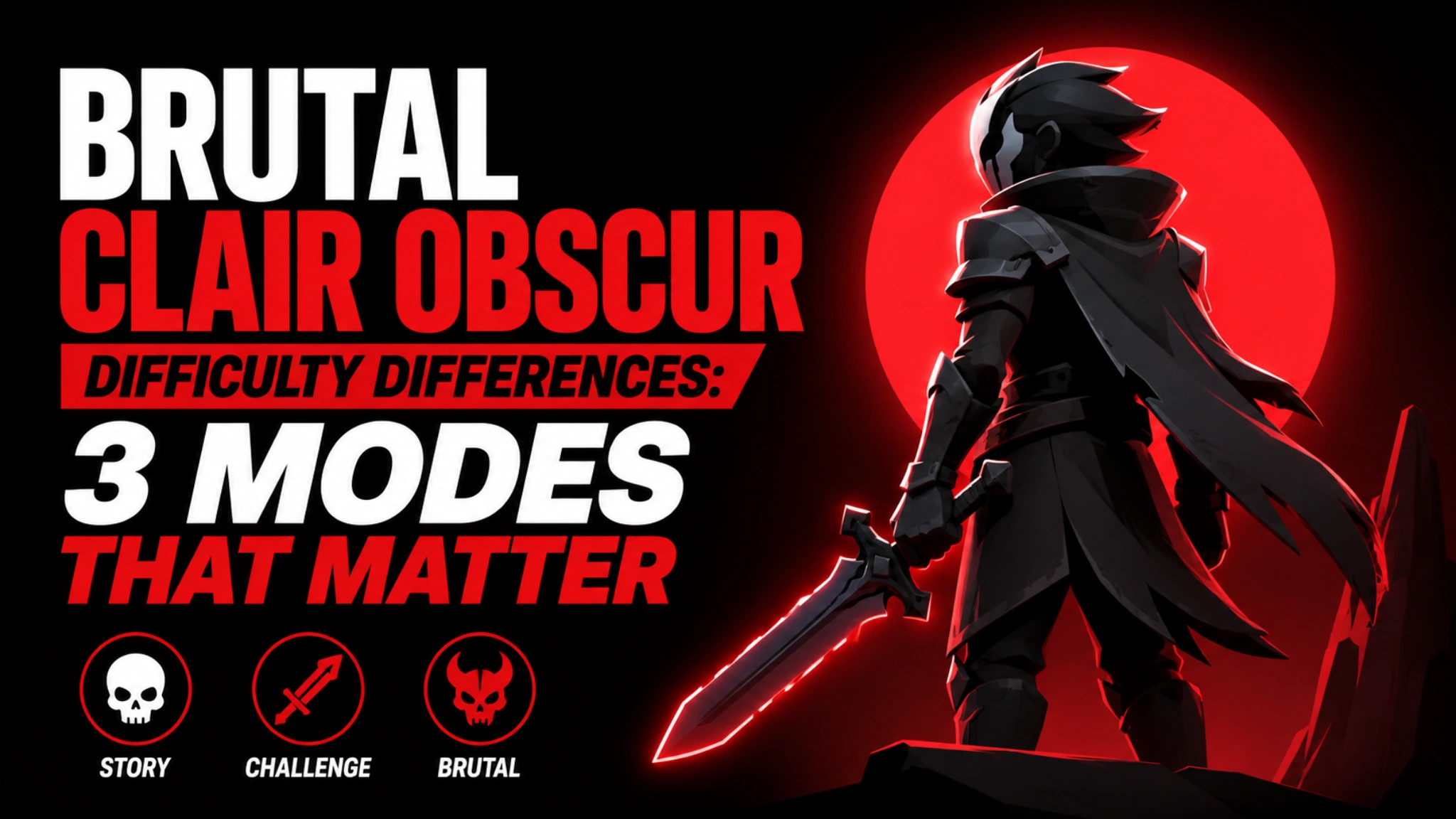
Clair Obscur difficulty differences: Story, Expeditioner, and Expert
This is the first thing most players want to understand. The game does not hide a secret fourth option. It gives you three clear modes, and each one changes how strict the combat feels.
“Official difficulty details on PlayStation.”
Story mode is for players who want a more relaxed experience. Enemies hit softer, and the game gives you more room for dodges and parries. That means the action is still there, but it is less stressful.
Expeditioner is the middle option. It is the most balanced mode for most players. In other words, it gives you enough challenge to stay engaged without making every mistake feel brutal.
Expert is the hardest setting. It expects sharper inputs and better pattern recognition. If you already enjoy precision combat, this mode can feel rewarding. If you are new, it can feel punishing very fast.
Clair Obscur difficulty differences are not just about skill. They are also about comfort. Some players want to focus on the story and world first. Others want a tougher mechanical challenge from the start.
The official PlayStation page describes the modes clearly and says the difficulty can be adjusted at any time. That matters because your first choice is not permanent. You can adapt as you go.”If you want to know which bosses are hardest on Expert, check our Hardest Boss Clair Obscur guide.”
A simple way to think about the modes is this.
Story gives you the most breathing room.
Expeditioner keeps the game fair and steady.
Expert demands cleaner execution.
Clair Obscur difficulty differences in combat mechanics

The biggest impact of difficulty appears during combat. The game uses turn-based structure, but the real-time timing is what makes fights tense. You are not just selecting moves. You are also reacting at the right moment.
On easier settings, the game is more forgiving with timing windows. That means dodges and parries are easier to land. On harder settings, those windows feel tighter, which raises the pressure during long fights.
That difference becomes obvious in boss battles. One missed parry can snowball into a bad turn. One late dodge can break your rhythm. Clair Obscur difficulty differences make those mistakes feel more or less severe depending on the mode.
However, the game does give you room to learn. The official page says difficulty can be adjusted whenever you need it. That means you can lower the pressure if a fight starts feeling unfair. As a result, you can keep the run moving instead of getting stuck.
The timing system is a big part of the identity of the game. You are meant to read attack patterns, react cleanly, and build confidence over time. That is why Clair Obscur difficulty differences matter so much. They shape how quickly you learn the rhythm.
The game also lets players make combat more comfortable in other ways. That means you can focus on the story or the visuals without feeling forced into constant stress. If you are learning the flow, Story mode gives you the best safety net.
Clair Obscur difficulty differences for PC controls and patch fixes
PC players should also think about controls when choosing a mode. If the input setup feels awkward, combat becomes harder than it should be. That is especially true in a game that relies on timing.
The launch version needed some cleanup, but patch 1.2.3 improved mouse and keyboard issues. The official patch notes mention Expedition Menu fixes, mouse button responsiveness, cursor behavior, and other input improvements.
That update matters because control comfort affects how difficult the game feels in practice. The slider itself does not change, but your experience with it can. In other words, clean inputs make harder modes more playable.
Steam also lists controller support and notes that the developers recommend a controller. That does not mean mouse and keyboard is unusable. It means controller is often the safer choice if you want the smoothest combat rhythm.
Clair Obscur difficulty differences feel different on PC if you are fighting your controls at the same time as the enemies. That is why patch fixes matter more than they may seem at first. A better input feel can make Expeditioner or Expert much more manageable.
If you prefer mouse and keyboard, the game is now in a much better place than it was at launch. That means you can make your difficulty choice based more on skill than on technical friction.
Clair Obscur difficulty differences in the post game
The difficulty choice still matters after the main story. The game is not built like a giant live-service title. Instead, its replay value comes from New Game Plus style runs, optional bosses, and build testing.
That makes difficulty a replay tool as much as a first-run choice. If you already know the systems well, raising the challenge can keep the post game interesting. However, if you mostly want to enjoy the world and clean up side content, lowering the pressure can make the experience smoother.
Clair Obscur difficulty differences become even more useful in this stage because you already know the basics. You are no longer learning from scratch. You are testing how far your build and timing can go.
The patch notes also show that the developers keep improving combat-related features. That tells you the game expects players to return to tough fights and experiment. As a result, difficulty changes feel like part of the design, not a workaround.
If a boss is blocking progress, lowering the challenge is not failure. It is a practical choice. In a timing-based RPG, the best way to improve is often to reduce pressure first, then raise it later once the patterns make sense.
“Strong builds make harder modes easier — see our Weapon Upgrade guide before attempting Expert.”
Which mode should you choose first?
If you are new to the game, start with Story. You will still learn the combat, but you get more room to miss timings without losing momentum.
If you already know action RPG combat well, Expeditioner is the best first run for most players. It gives you the intended balance between challenge and comfort. That makes it the safest default for most people.
If you enjoy tough timing windows and tight combat, go straight to Expert. Just be ready for a steep learning curve. Clair Obscur difficulty differences are at their harshest here, but the payoff is a stronger sense of mastery.
The best rule is simple. Start where the game feels enjoyable, not where it sounds impressive. Then adjust when the combat starts to click.
FAQ
Can you change difficulty anytime in Clair Obscur?
Yes. The official page says you can adjust difficulty at any time. That means you do not need to restart your run just to make the game easier or harder.
What is the easiest difficulty in Clair Obscur?
Story is the easiest mode. It weakens enemies and gives you more generous dodge and parry windows.
What is the hardest difficulty in Clair Obscur?
Expert is the hardest mode. It asks for precision and is meant for players who want a tougher challenge.
Is Clair Obscur better with controller or mouse and keyboard?
Controller is usually the safer option for the cleanest combat rhythm. However, mouse and keyboard is much better now after the input fixes in patch 1.2.3.
Does difficulty affect the story?
No. The narrative stays the same. Only the combat pressure changes, so Clair Obscur difficulty differences mainly affect how the game feels while you play.
Is there a good post game approach?
Yes. Focus on New Game Plus, optional bosses, and build testing. That keeps the replay loop interesting without expecting a huge live-service endgame.
Clair Obscur difficulty differences are really about comfort, confidence, and timing pressure. Pick the mode that keeps you engaged, then raise the challenge later if you want more intensity. That is the easiest way to enjoy the game without fighting the difficulty setting itself.